
About
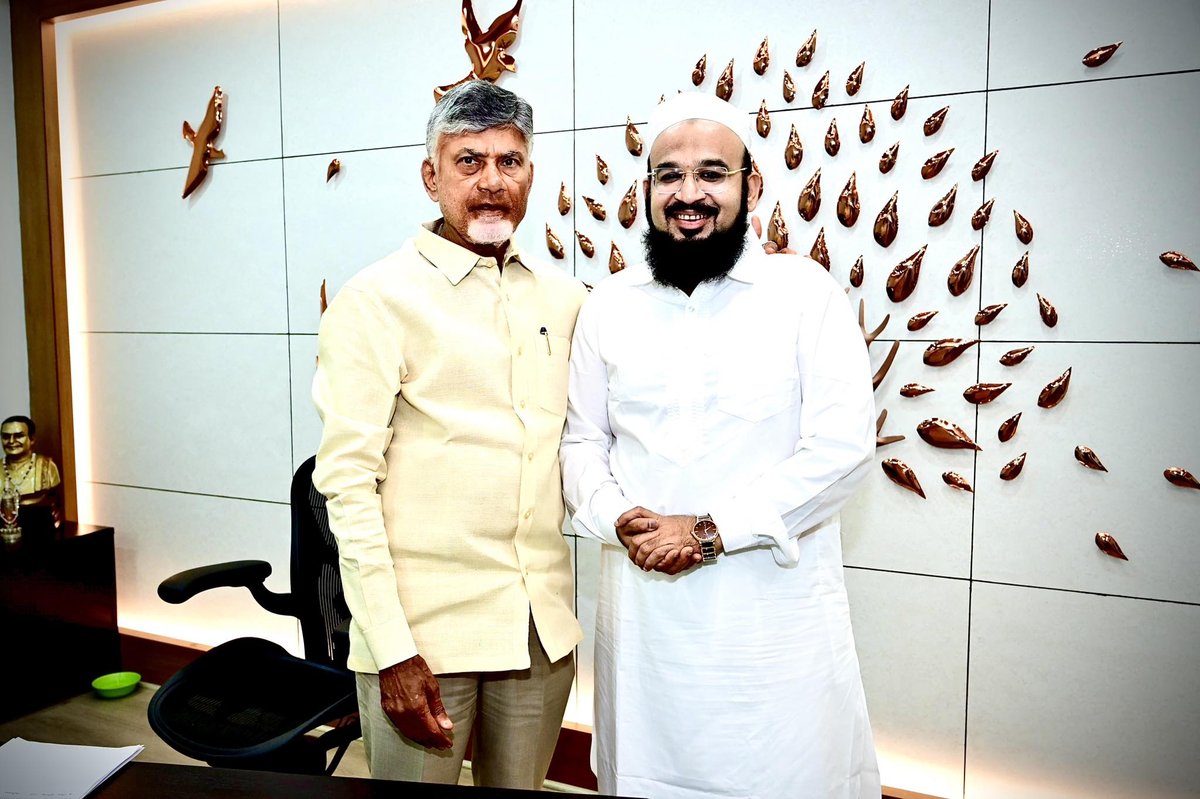
Institutional Recognition and State-Level Leadership
A major milestone in 2025 was the appointment of Farooq Shubli as Chairman of the Andhra Pradesh Urdu Academy. This marked a significant institutional recognition of his long-standing social and cultural leadership. The appointment reflected years of community service and advocacy, and it expanded the platform for promoting Urdu language, cultural heritage, and educational development at the state level. This achievement symbolized the transition of grassroots activism into recognized institutional leadership.
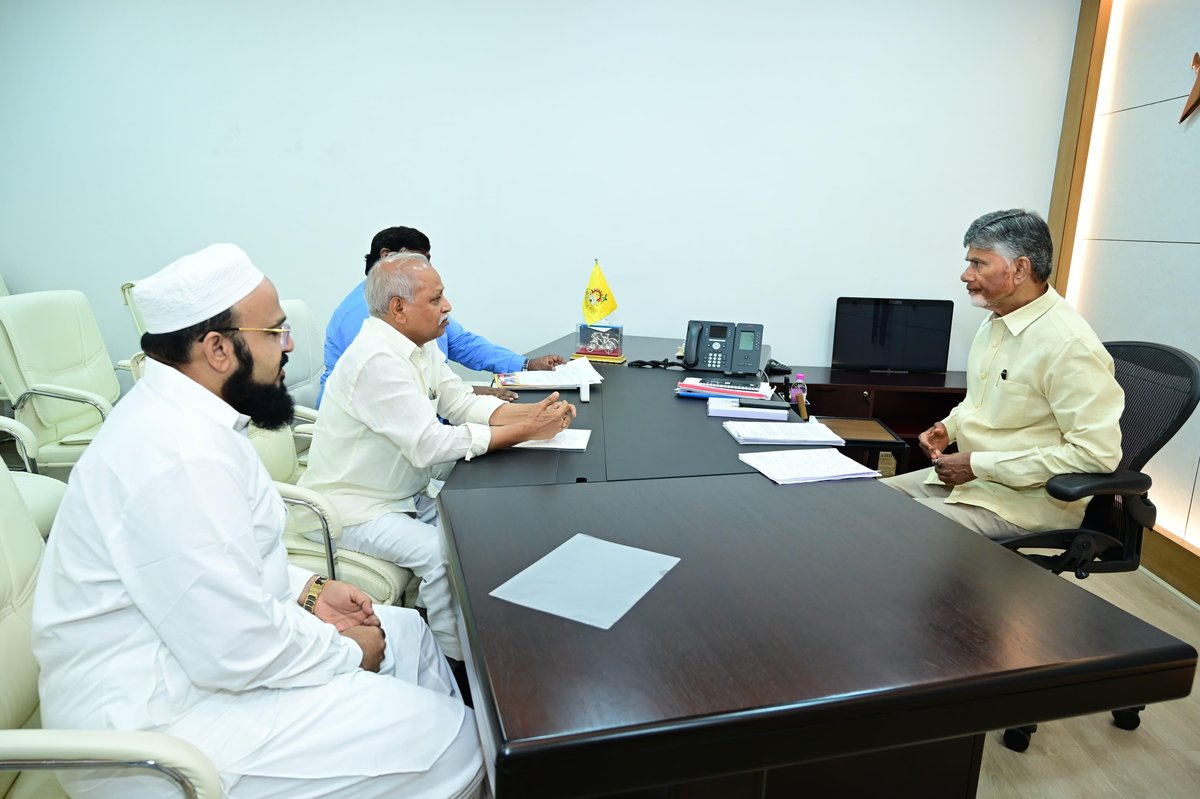
Grassroots Mobilization and Public Representation
The year 2024 marked an important period of grassroots mobilization and expanded public engagement. MHPS intensified its efforts in community outreach, particularly focusing on educational access, welfare awareness, and representation in local governance discussions. The organization strengthened its district-level network and reinforced its commitment to lawful activism and constructive dialogue with public institutions. This period further solidified MHPS’s presence as a socially conscious and community-driven organization.
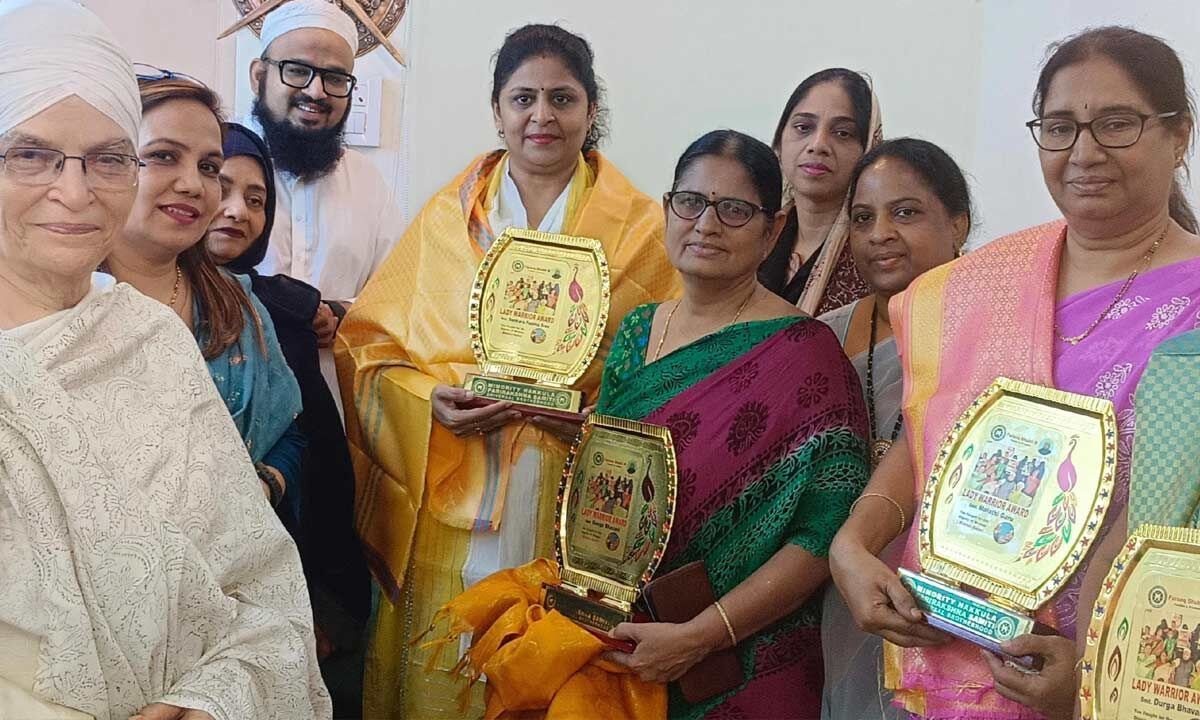
Women Empowerment and Public Recognition Initiatives
In 2023, MHPS strengthened its focus on social justice initiatives by recognizing and encouraging women leaders who stood against injustice and discrimination. Through organized events and public programs, the organization highlighted the importance of gender equality and constitutional rights. This phase reflected MHPS’s broader mission of empowering marginalized voices while reinforcing democratic values and human dignity within society.
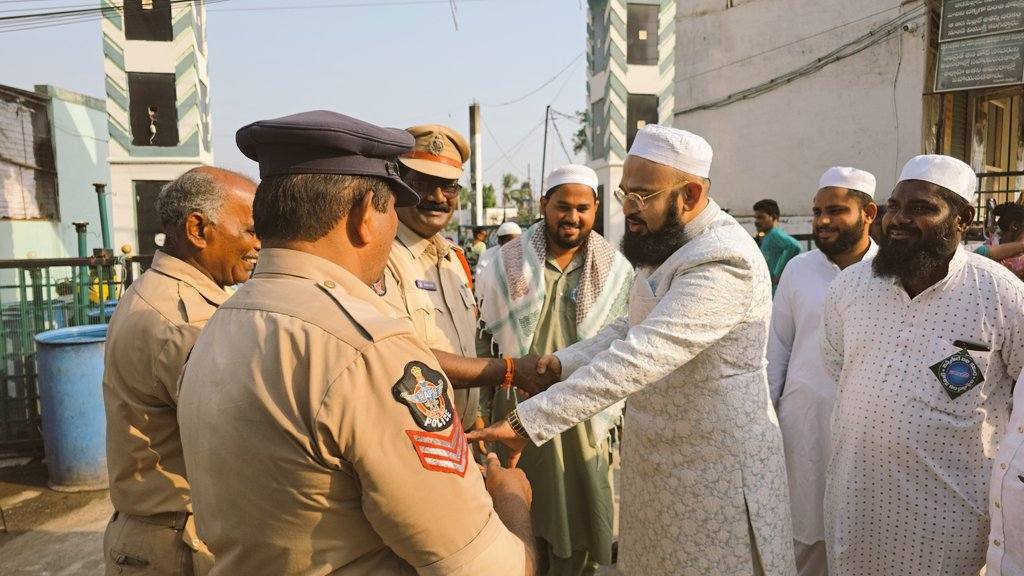
Rights Advocacy and Public Engagement
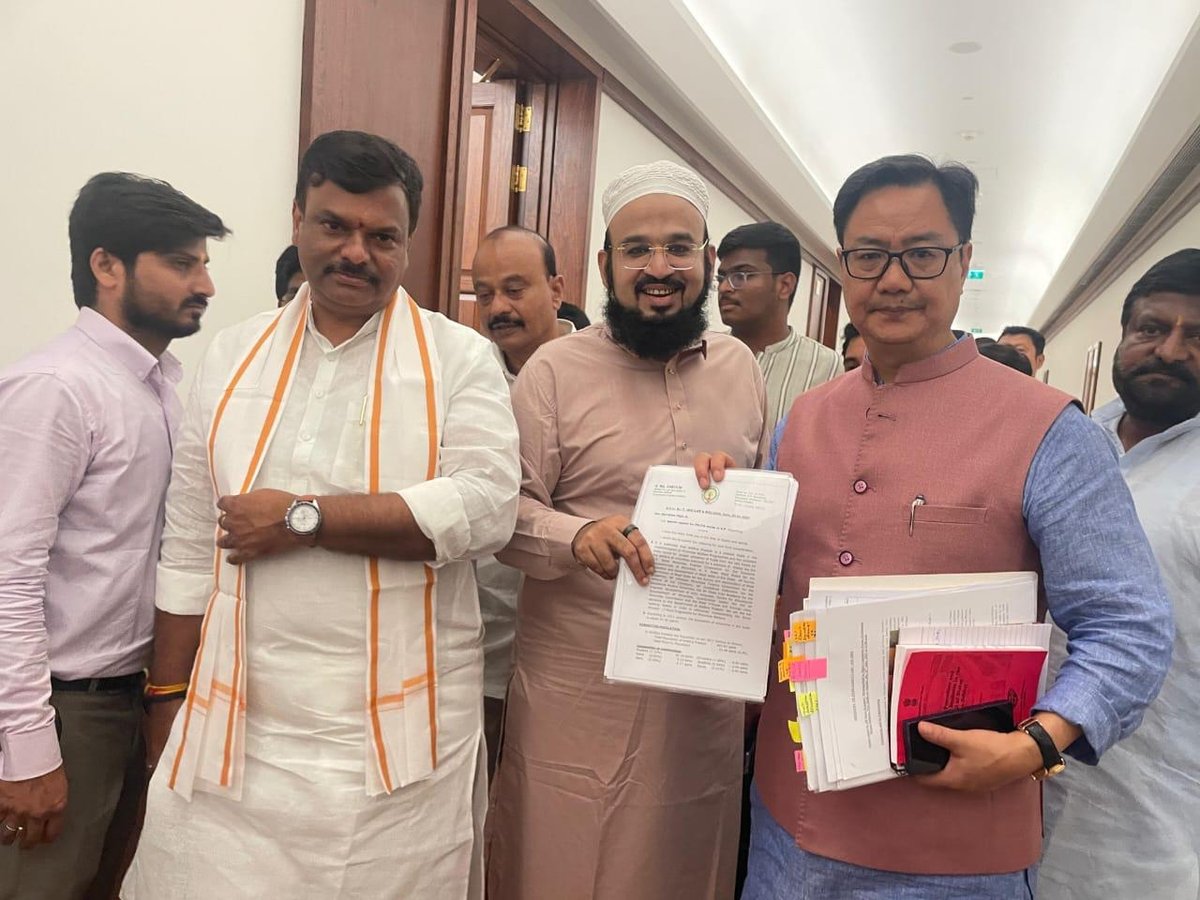
In 2020, MHPS transitioned from primarily welfare-focused activities to structured rights-based advocacy. The organization began actively raising concerns regarding minority educational access, welfare implementation gaps, and public representation. Through formal representations, press interactions, and engagement with authorities, MHPS emphasized constitutional safeguards and lawful advocacy. This phase marked a significant shift in the organization’s growth, as it strengthened its identity as a voice for minority rights at both district and state levels.
Strengthening Communal Harmony and Social Leadership
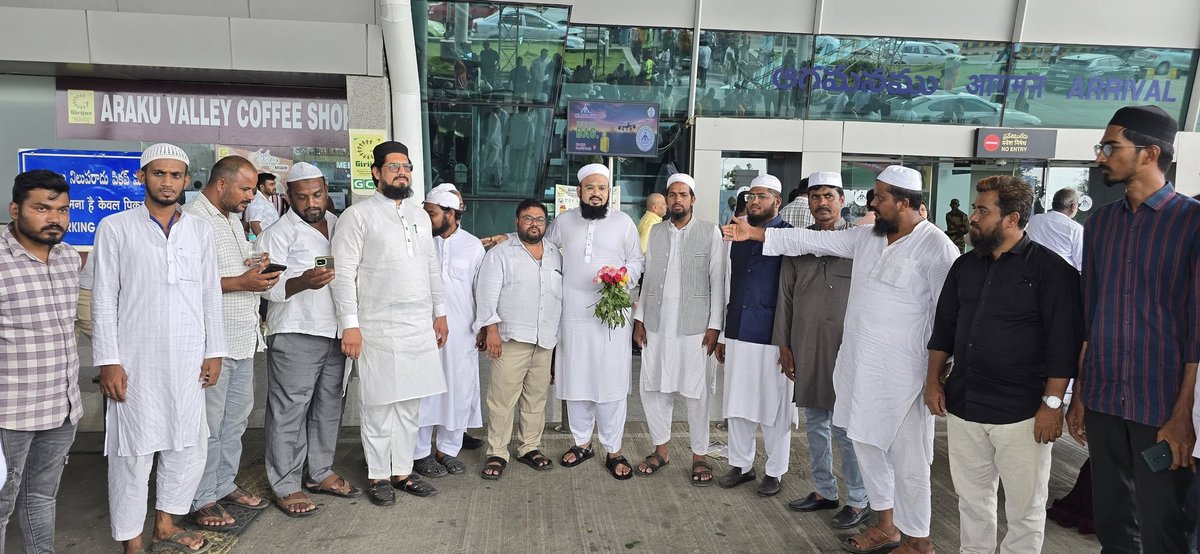
Between 2021 and 2022, MHPS deepened its engagement in promoting communal harmony and peaceful coexistence. The organization actively participated in interfaith gatherings and cultural celebrations, encouraging mutual respect and unity among communities. Public interactions, awareness programs, and social messaging during this period highlighted the importance of collective responsibility in maintaining social peace. MHPS continued expanding its presence beyond local boundaries, gaining recognition as a responsible social and advocacy organization in Andhra Pradesh.
Expansion of Social Welfare Activities
During 2018 and 2019, MHPS expanded its outreach through organized humanitarian and community welfare initiatives. The organization conducted seasonal relief programs, supported economically weaker families, and actively participated in culturally significant events across communities. These activities strengthened the organization’s connection with the public and reinforced its commitment to interfaith harmony. By engaging with diverse groups and supporting festivals across religions, MHPS positioned itself as an inclusive social body working for unity, dignity, and community welfare.
Foundation of MHPS
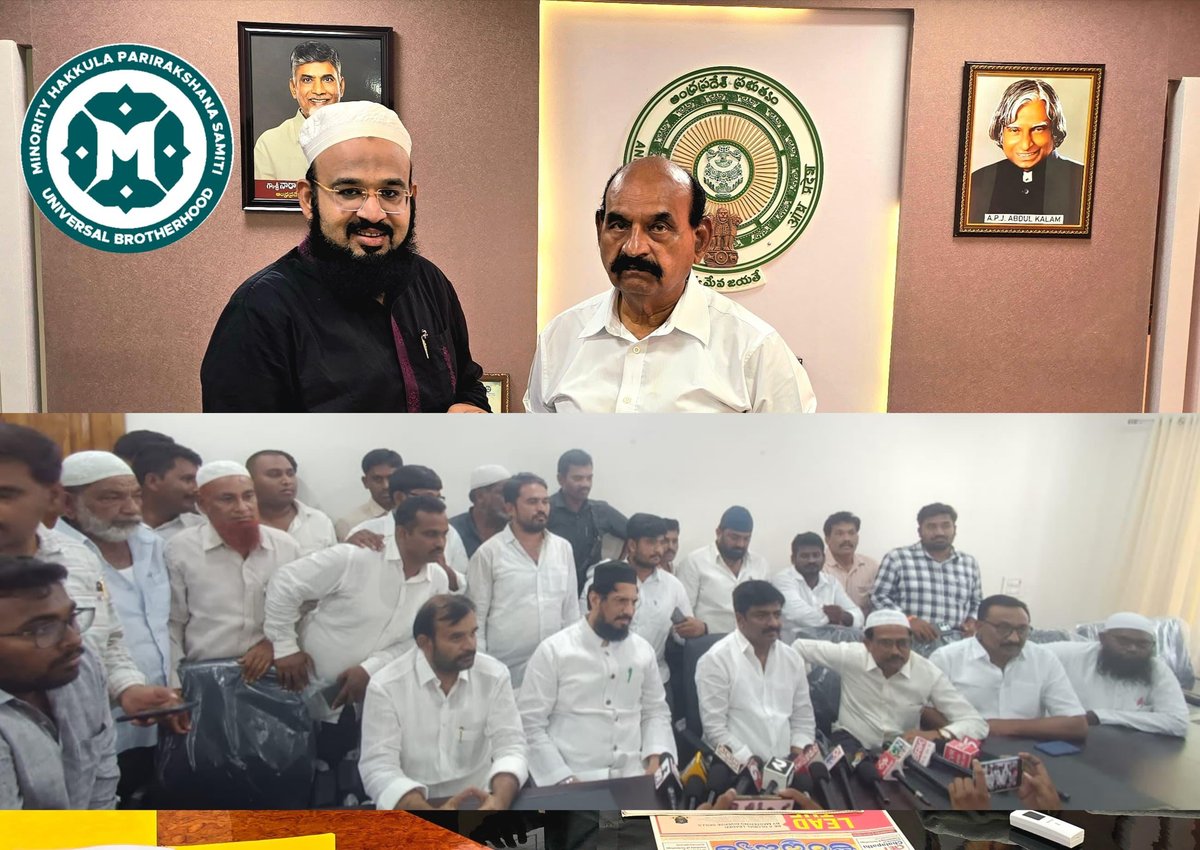
Minority Hakkula Parirakshana Samithi (MHPS) was established in 2017 with the objective of protecting constitutional rights and promoting social justice for minority communities across Andhra Pradesh. Under the leadership of Farooq Shubli, the organization began as a grassroots movement in Vijayawada, focusing on direct community engagement and addressing real-time social concerns. From its inception, MHPS aimed to build a structured platform where marginalized voices could be heard and where issues relating to education, welfare access, and equal representation could be addressed through lawful and peaceful means.